Get Tree Cabling Service
Tree cabling services help property owners stabilize and support damaged or heavy branches, preventing limb failure and reducing risk of property damage or personal injury.
Tree cabling services are an important consideration for property owners looking to maintain the health, safety, and stability of their trees. Proper cabling can help support large or weak branches, prevent damage during storms, and extend the lifespan of valuable trees. If you are planning landscaping projects, managing mature trees, or simply want to ensure safety around your property, exploring local contractors who specialize in tree cabling can provide the expertise needed to address these needs effectively.
By comparing options from experienced service providers in the area, property owners can find solutions tailored to their specific trees and property conditions. Whether for routine support or addressing particular concerns, connecting with trusted local contractors ensures that the work is handled with care and professionalism. Keep reading to discover how local pros can assist with your tree cabling projects and help you make informed decisions for your property.
- Tree Cabling Installation - needed when trees require additional support to prevent branch or trunk failure.
- Tree Cabling Inspection - recommended for assessing the health and stability of existing cabling systems in mature trees.
- Tree Cabling Maintenance - appropriate when existing cabling shows signs of wear or damage needing professional attention.
- Tree Cabling Removal - necessary when cabling systems are no longer effective or pose safety concerns.
- Tree Support System Upgrades - sought when older cabling needs to be replaced or upgraded to meet current safety standards.
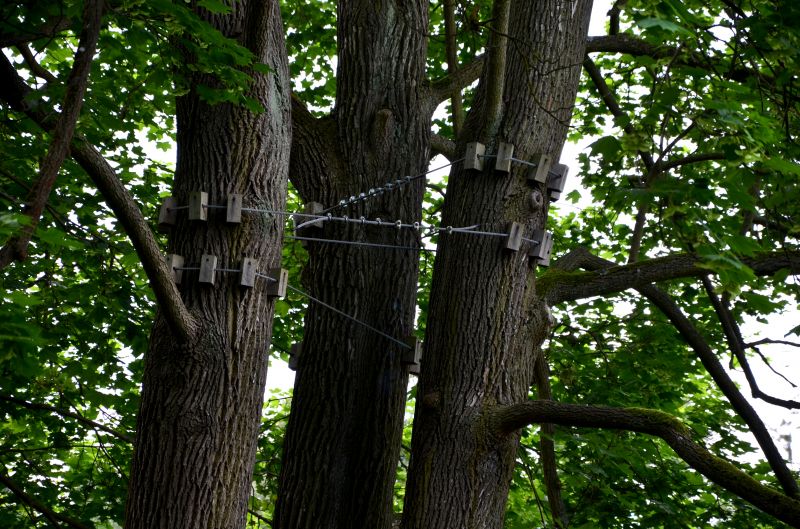
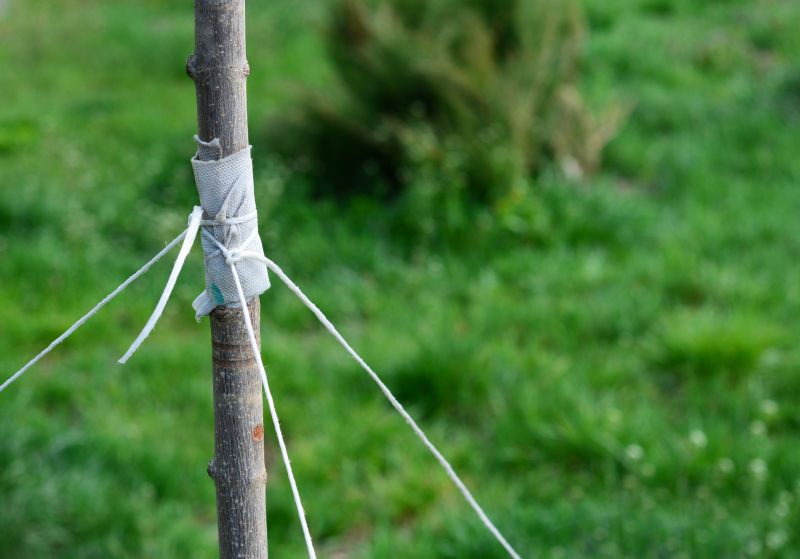
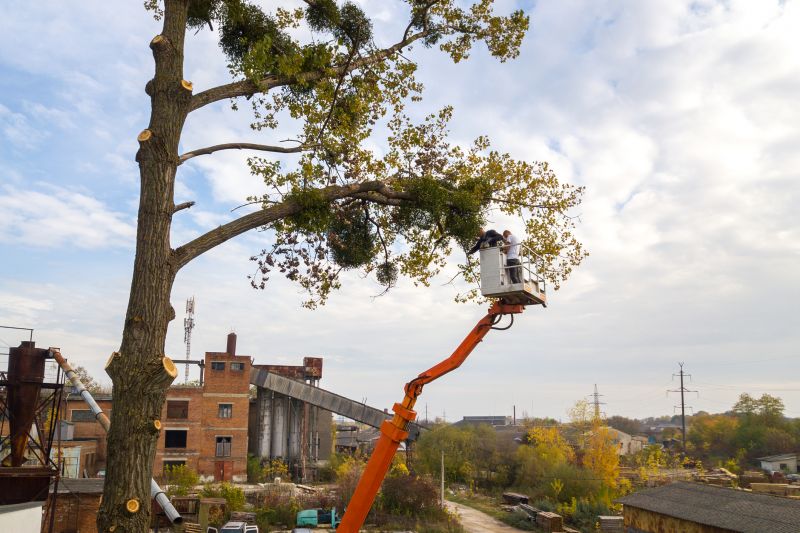
Tree cabling services involve installing strong, durable support systems that help stabilize and reinforce mature or large trees. This process typically includes attaching cables or braces to the branches and trunk to provide additional support, especially for trees with structural weaknesses or heavy limbs. The goal is to prevent branches from splitting or breaking off during storms or high winds, reducing the risk of property damage or personal injury. Professional contractors assess each tree’s unique structure to design a support system that promotes healthy growth while maintaining the tree’s natural appearance.
This service addresses common problems such as weak branch attachments, asymmetrical growth, or trees with multiple trunks that are prone to splitting. Over time, trees can develop structural issues due to age, storm damage, or improper growth patterns. Tree cabling helps mitigate these risks by providing extra stability, which can extend the lifespan of the tree and preserve the landscape’s safety. It is especially beneficial for trees located near homes, driveways, or other structures where falling limbs could cause damage or pose safety hazards.
Properties that typically utilize tree cabling services include residential homes with mature trees, commercial properties with landscaped grounds, parks, and outdoor recreational facilities. Homeowners who notice leaning trees, large branches hanging precariously, or signs of structural weakness might consider this service to protect their property and loved ones. Similarly, property managers and landscape professionals often rely on tree cabling to maintain the safety and aesthetic appeal of their outdoor spaces, especially when dealing with valuable or historically significant trees.
By working with local contractors experienced in tree cabling, property owners can ensure that their trees receive the appropriate support to withstand environmental stresses. These professionals evaluate each tree’s condition, determine the best placement for cables, and install support systems that help prevent future damage. Tree cabling is a practical solution for maintaining the health, safety, and longevity of trees, making it an important consideration for properties with large or structurally compromised trees.
The overview below groups typical Tree Cabling Service projects into broad ranges so you can see how smaller, mid-sized, and larger jobs often compare in your area.
In many markets, a large share of routine jobs stays in the lower and middle ranges, while only a smaller percentage of projects moves into the highest bands when the work is more complex or site conditions are harder than average.
Smaller Repairs - Typical costs for routine tree cabling repairs often range from $250-$600 for many smaller jobs. These projects usually involve fixing or tightening existing cabling on individual trees. Most repairs fall within this middle range, with fewer projects requiring extensive work.
Standard Installation - Installing new cabling systems on multiple trees generally costs between $600 and $2,000. This range covers common installations for residential or small commercial landscapes. Larger or more complex setups can push costs higher but remain less frequent.
Full Tree Cabling - Comprehensive cabling for large or mature trees can typically range from $2,000 to $5,000. These projects often involve detailed assessments and extensive work to support the health and stability of prominent trees. Many projects stay within this higher range, with only the most complex reaching beyond it.
Large-Scale Projects - Extensive tree support systems, such as for multiple mature trees or large landscapes, can exceed $5,000. Such projects are less common and usually involve significant planning and labor. Local contractors can provide detailed estimates based on the specific scope of work.
Actual totals will depend on details like access to the work area, the scope of the project, and the materials selected, so use these as general starting points rather than exact figures.
Tree Pruning and Trimming Projects - these services require similar planning and tools to ensure trees are healthy and properly shaped, often involving cabling techniques for support.
Utility Line Support Installations - installing and maintaining utility lines in trees involves planning and the use of specialized hardware, akin to tree cabling methods.
Landscape Tree Installation - planting new trees in landscapes often requires cabling and bracing to support young or fragile specimens during growth.
Storm Damage Tree Stabilization - securing trees after storm damage involves cabling and bracing skills to prevent further harm, similar to tree cabling services.
Tree Root Support Systems - installing underground root support or stabilization systems shares planning and technical skills with above-ground cabling projects.
Tree Health Assessment Services - evaluating tree stability and structural integrity often leads to recommendations for cabling or bracing, requiring similar expertise.
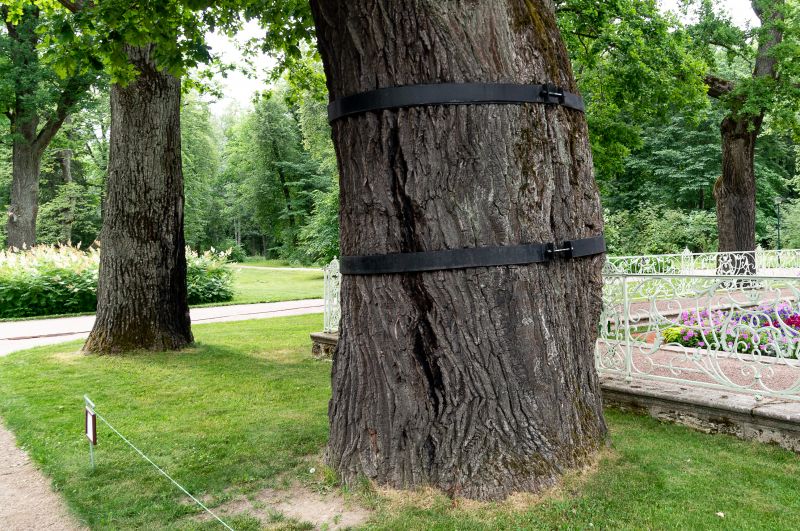
When evaluating service providers for tree cabling, it’s important to consider their experience with similar projects. Homeowners should inquire about how long a contractor has been working in the field and whether they have handled tree cabling specifically. An experienced local contractor will be familiar with different tree types, structural considerations, and the best practices for installing cabling systems that support tree health and stability. This background can help ensure that the chosen professional has the practical knowledge necessary to manage the unique challenges of each project.
Clear, written expectations are essential to ensure a shared understanding of the scope and details of the work. Homeowners are encouraged to ask for a detailed proposal or written estimate that outlines the services to be performed, materials used, and any relevant warranties or guarantees. Having this information in writing helps prevent misunderstandings and provides a reference point throughout the project. It also demonstrates the contractor’s professionalism and commitment to transparency, making it easier to compare options objectively.
Reputable references and good communication are key indicators of a trustworthy service provider. Homeowners should seek out local contractors who can provide references from previous clients or examples of completed projects similar to theirs. Additionally, responsive and clear communication throughout the inquiry process reflects a contractor’s professionalism and dedication to customer service. While the site introduces homeowners to local options, it’s important to remember that the actual work will be handled by qualified service providers in the area who can meet these criteria.
Property owners use Tree Cabling Service services for practical projects around their homes and businesses. This guide focuses on everyday jobs and straightforward project options.
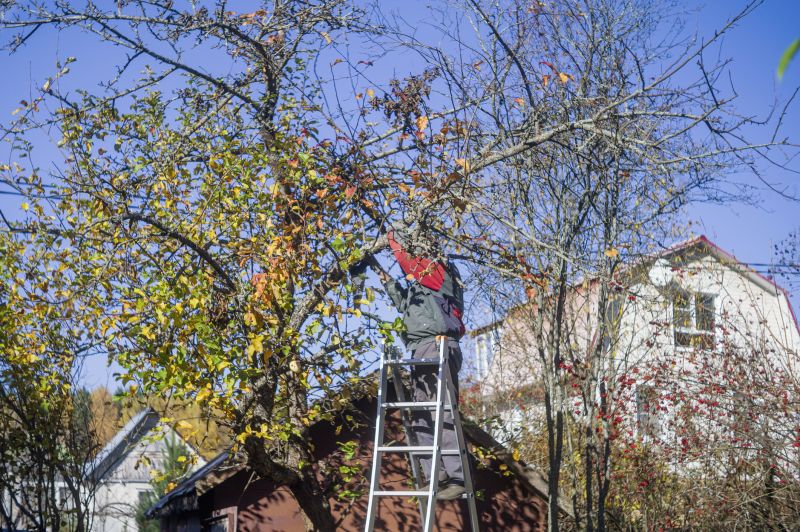
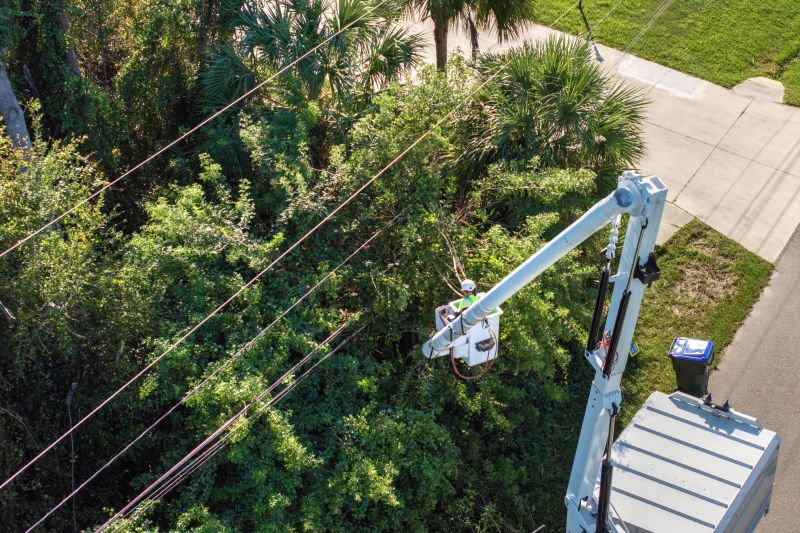
Tree cabling services are often needed when property owners notice that their trees have heavy branches or structural weaknesses that could pose a risk during storms or strong winds. Local contractors can provide support to help stabilize these trees, reducing the chance of limbs breaking or falling unexpectedly. This type of work is commonly sought after in neighborhoods with mature trees, especially around homes and commercial properties where safety and property protection are a priority.
Property owners might also look for tree cabling services to preserve valuable or historic trees on their land. When trees show signs of internal decay or asymmetrical growth, cabling can help distribute weight more evenly and prevent potential damage. Local service providers are equipped to assess the condition of trees and implement cabling solutions that help maintain their health and stability, ensuring they remain safe features of the landscape.
What is tree cabling service? Tree cabling service involves installing supportive cables and hardware to help stabilize and protect trees that have structural weaknesses or are at risk of damage.
Why might a tree need cabling? Trees may require cabling if they have included bark, weak branch unions, or are prone to storm damage, helping to reduce the risk of limbs or the entire tree falling.
How do local contractors perform tree cabling? Local service providers assess the tree's structure and determine the appropriate cabling system to support weak areas, then install cables and hardware to reinforce the tree’s stability.
Is tree cabling a permanent solution? Tree cabling is designed to provide long-term support, but it may require maintenance or adjustments over time depending on the tree’s growth and condition.
What are the benefits of hiring local pros for tree cabling? Local contractors offer expertise in assessing tree needs and can perform the cabling work efficiently, helping to ensure the safety and health of the trees on your property.
Tree Support and Stability - Proper cabling can help keep trees upright during storms or heavy winds, reducing the risk of falling branches or damage.
Preventing Branch Breakage - Cabling can be used to support weak or heavy branches, preventing them from breaking and causing property damage.
Maintaining Tree Health - Service providers can install cabling to reduce stress on trees, promoting healthier growth and longevity.
Enhancing Safety Around Property - Tree cabling can minimize the risk of falling limbs that could pose a hazard to people or nearby structures.
If you are thinking about Tree Cabling Service for a property, this guide is meant to help you understand the work, the typical project types, and how different options might fit your plans.
When you are ready, you can use the quote form on this page to share a few details about your project. From there, local pros can review the basics and respond with options that match what you have in mind.